
Sometimes I Imagine What It Would Feel Like To Put A Bullet In My Head.
Intrusive thoughts in the chat?

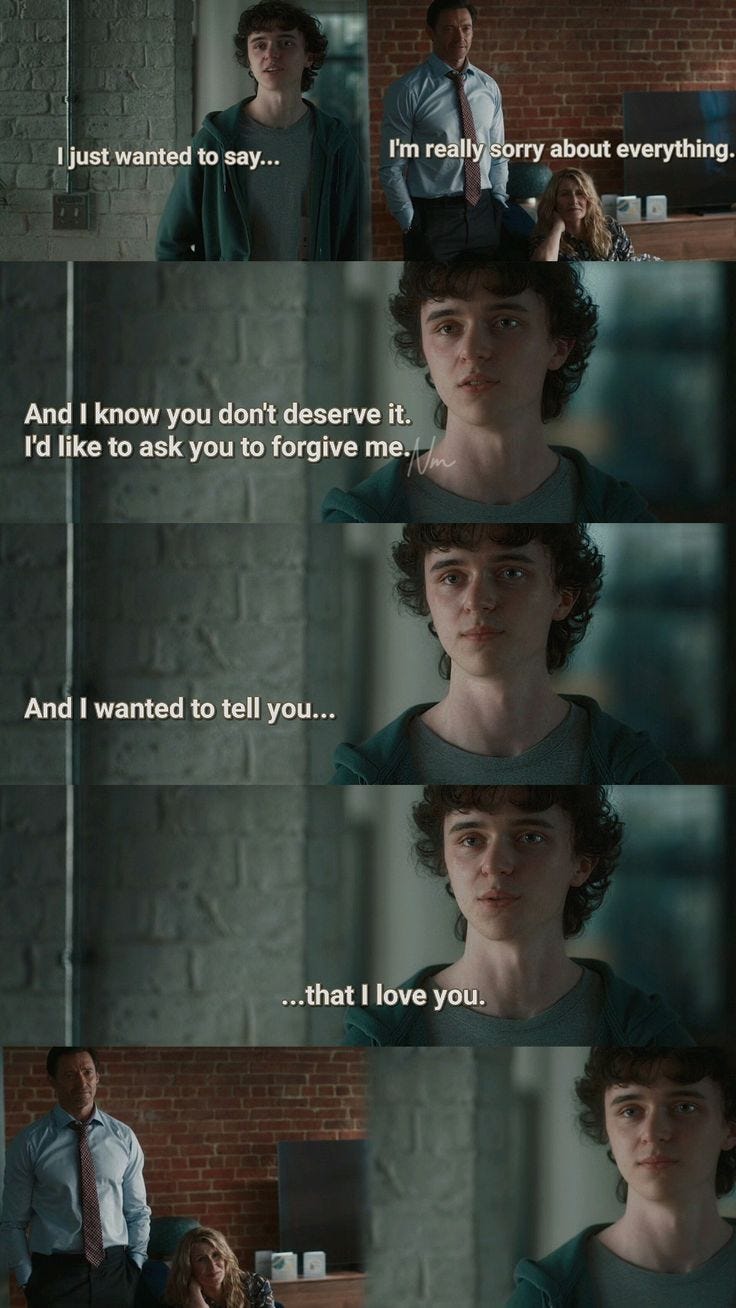
There is a movie called “The Son.” It was released in 2022 and featured Hugh Jackman (I really don't know how this man doesn't have an Oscar yet). There's a scene in the movie where his son goes to take a shower while Hugh sits with his wife in the sitting room. Suddenly he hears a bang sound. His son shot himself. On certain days, I imagine myself as that son.
Know that I don't imagine it because I want to die or because I'm suicidal. For a long time, I thought this made me broken. That recurring dark images meant something was wrong with me. That I was sick. That normal people don't randomly imagine their own deaths or catastrophes or the people they love discovering their bodies.
But then I started paying attention to how many people around me mentioned the same thing—almost sheepishly, like they were confessing something shameful. A friend told me she imagines car crashes when she's driving. Another said she visualizes falling from balconies and all of them said the same thing: “I don't actually want this. So why do I keep imagining it?”
This is called intrusive thinking and it's not a sign of suicidal or violent tendencies or mental illness. It's just how the human brain works.
Research from universities across six continents shows that approximately 94 percent of people reguarly experience unwanted, intrusive thoughts, images and/or impulses. In a three-month period, nearly all of us will have at least one thought that feels disturbing, dark, or completely different from who we are.
A 2011 study found that even among college students with no history of suicidal ideation, over 50% had experienced an urge to jump or imagined themselves jumping from a high place at least once. It's not depression. It's not a death wish. It's just the brain imagining scenarios, running simulations and testing possibilities.
The brain is a pattern-recognition machine built for survival. It runs simulations constantly—worst-case scenarios, potential dangers, catastrophic outcomes. It's the same mechanism that keeps you alert to threats that might never happen, that makes you check if the door is locked three times, that runs through conversations you had years ago and cringes. Your brain is trying to prepare you for things that might go wrong so you're not caught off guard.
Those unwanted, intrusive thoughts are not the problem—it's what you make of those thoughts. The thought itself is neutral. It's just neural firing. But how you interpret that thought—what meaning you assign to it—that's where things diverge between normal intrusive thinking and actual distress.
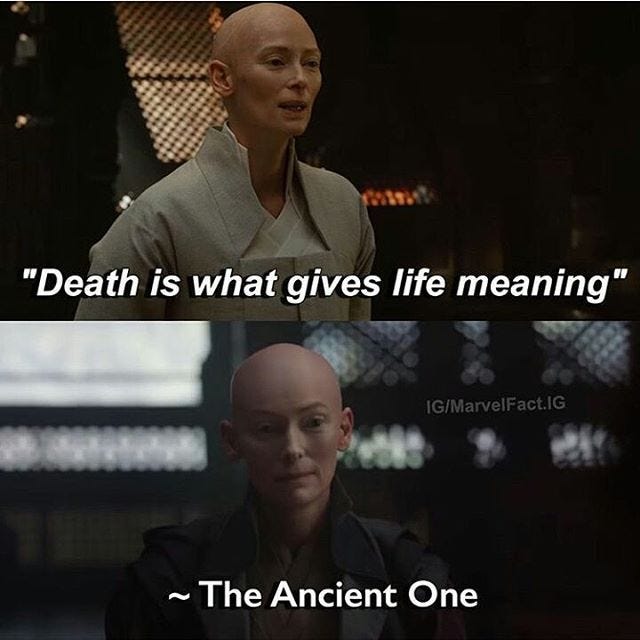
Psychologists call this quality "ego-dystonic"—the thoughts feel completely foreign to your sense of self and your values. A deeply religious person might experience blasphemous thoughts. A gentle person might picture violence and because it clashes so sharply with who you actually are, it can leave you feeling confused, ashamed, or frightened.
But(apply nuance to this please) intrusive thought does not reflect your desires, intentions, or character. Having a thought about something terrible doesn't mean you want to do it. In fact, the very reason these thoughts disturb you so much is precisely because they go against everything you believe in.
There's also something called the thought suppression paradox. It means the harder one tries not to think of something, the more that item intrudes into consciousness. It's counterintuitive—you'd think fighting the thought would make it go away. Instead, the resistance makes it louder, more persistent, more vivid. Your brain treats it as a threat because you're treating it as a threat. The anxiety you feel makes the thought feel more important, which makes you pay more attention to it, which makes it feel even more important.
Cognitive behavioral research suggests that the misinterpretation of the meaning of intrusive thoughts plays a pivotal role in escalating these thoughts from normal intrusions to something that causes real distress. Thoughts that have relevance for your personal value system or sense of self are particularly salient and upsetting.
If you're someone who consumes narratives for a living—who reads dark romance, watches psychological thrillers, scrolls through the internet's endless catalogue of real-life human suffering(true crime stories. Shout out to Ray William Johnson), your brain gets good at imagining dark scenarios. It gets detailed. Visceral. The images stick because you've literally trained your brain to imagine them vividly.
Writers have it maybe worse, or better, depending on how you look at it. We're trained to imagine ourselves into other people's lives, other people's deaths, other people's worst moments. I've spent years inhabiting characters in their darkest hours. I've written scenes of violence, betrayal, psychological fracture. The boundary between imagination and reality gets thin when you do that work every day. Your brain becomes very, very good at simulation.
Over time, I've come to realize that the images we fixate on reveal something. They're not just noise. They're the things our brain is actually trying to process—grief, mortality, fragility, the thinness of the distance between safety and catastrophe. We don't imagine random things. We imagine the things that matter to us, the losses that would devastate us, the vulnerabilities we're actually afraid of.
The shame around morbid imagination comes from confusion. People assume that if you're imagining something, you want it. That darkness in the mind means darkness in the heart. But that's not how it works. You can imagine your own death and not want to die. You can visualize failure and not be destined for it. You can picture catastrophe and still be functioning and okay.
The real difference is between the imagination and intent. Between having a thought and acting on it.
On the days when that scene from “The Son” plays in my head, I let it play. I don't fight it or judge myself for it. I've learned that resistance just makes the image more intrusive and powerful. Instead, I say: “oh, there's that thought again,” and then I move on.
It doesn't mean anything except that I'm human. That I read. That I watch films. That I think about things, sometimes dark things, sometimes morbid things. That my imagination is active, alarmingly detailed and sometimes it goes to places that would probably worry people if I said them out loud.
But I'm telling you out loud anyway(well, writing about it and publishing), because I suspect you've been there too. That on certain days, certain images lodge in your brain. That you've imagined scenarios you don't actually want. That you've felt the shame of that, the confusion, the worry that it means something is wrong. It doesn't. It just means you're paying attention to how fragile everything is. How quickly things can go wrong and how vivid the human mind is when it runs through the worst possibilities. You're not damaged. Just think of it as what it means to be thinking, feeling, conscious in a world that's always one moment away from changing.
Know your triggers before deciding to watch it:
This was interesting.
However, let’s not forget that the devil/demonic spirits exist, and can also be the source of intrusive thoughts and ideas.
This is why we are to “take captive every thought to make it obedient to Christ” (2 Corinthians 10:5)
The brain while wildly intricate and complex, is also very impressionable
Gosh this is so relatable. and it doesn't get any easier for me, because exactly as you said, the more you try to avoid thinking about it, the more it intensifies.
i guess I haven't let mine play because I can't afford to have such life-threatening thoughts.
lovely work as always.