
How To Start Having Original Thoughts.

I wrote a piece two weeks ago and some people felt seen or maybe exposed.
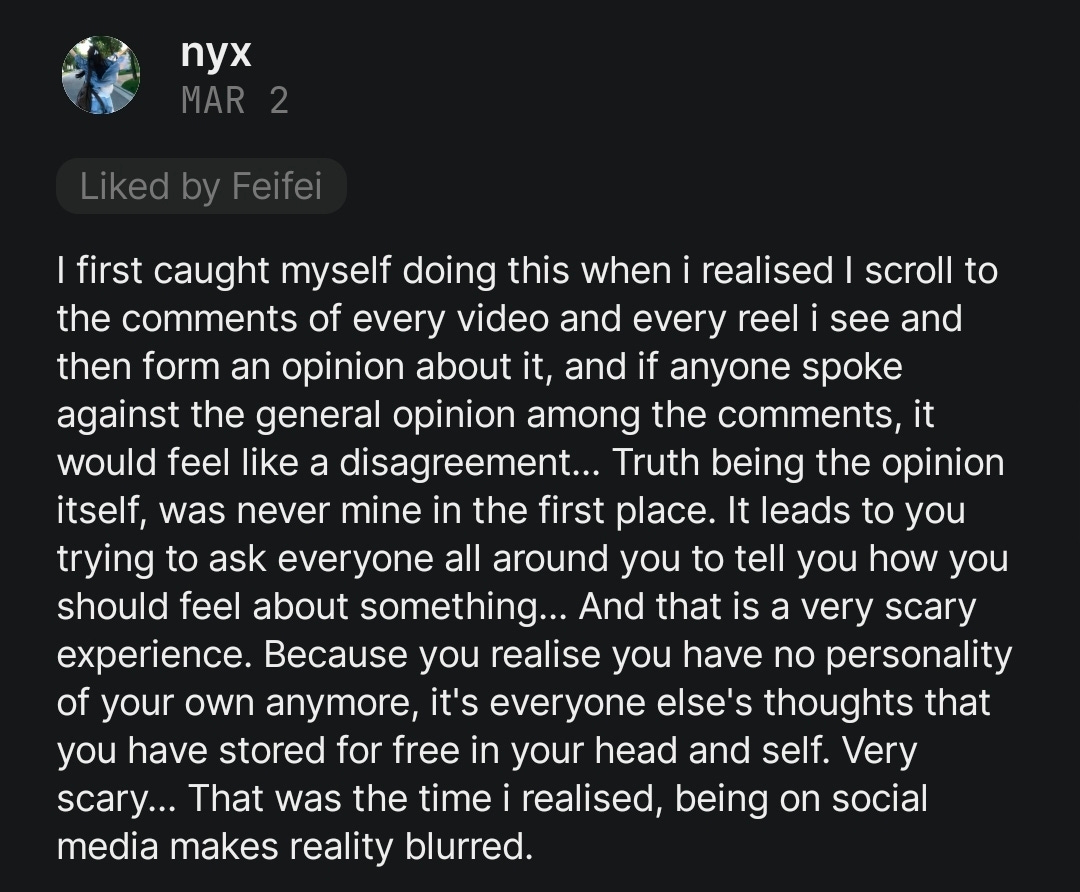
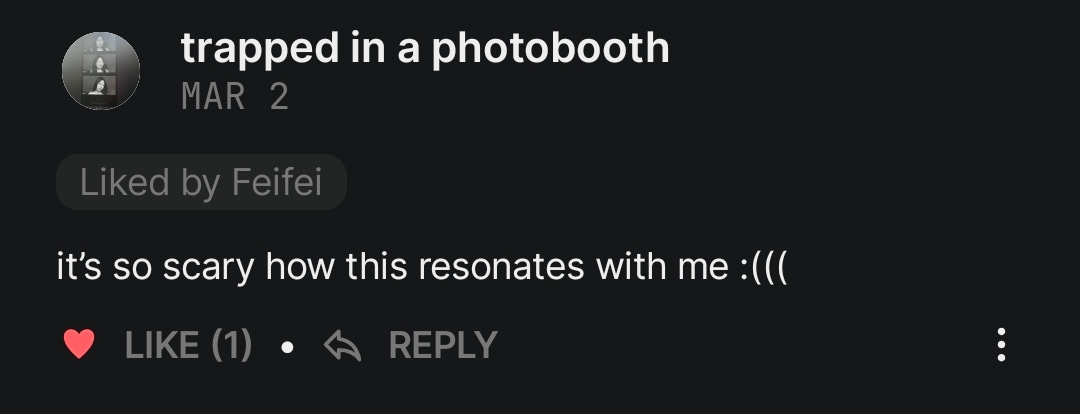
Some asked, “How do I fix it?”
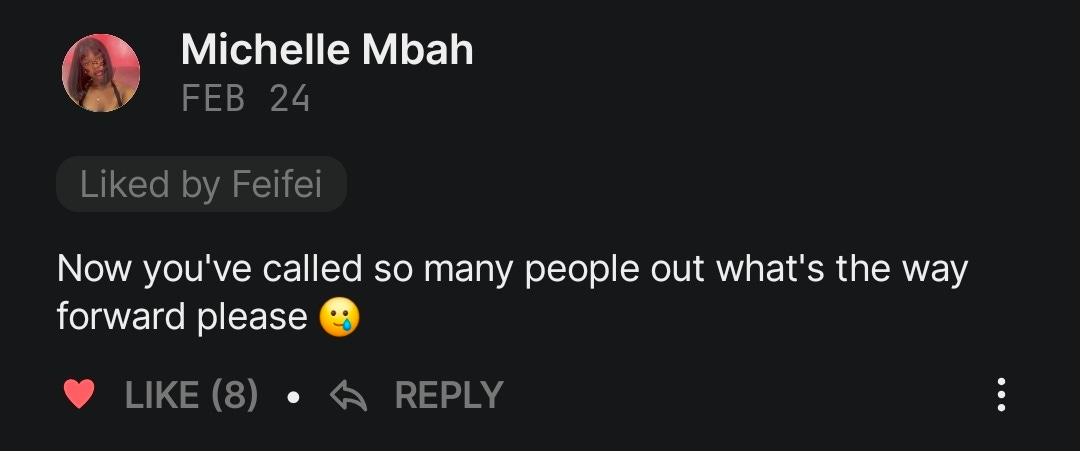
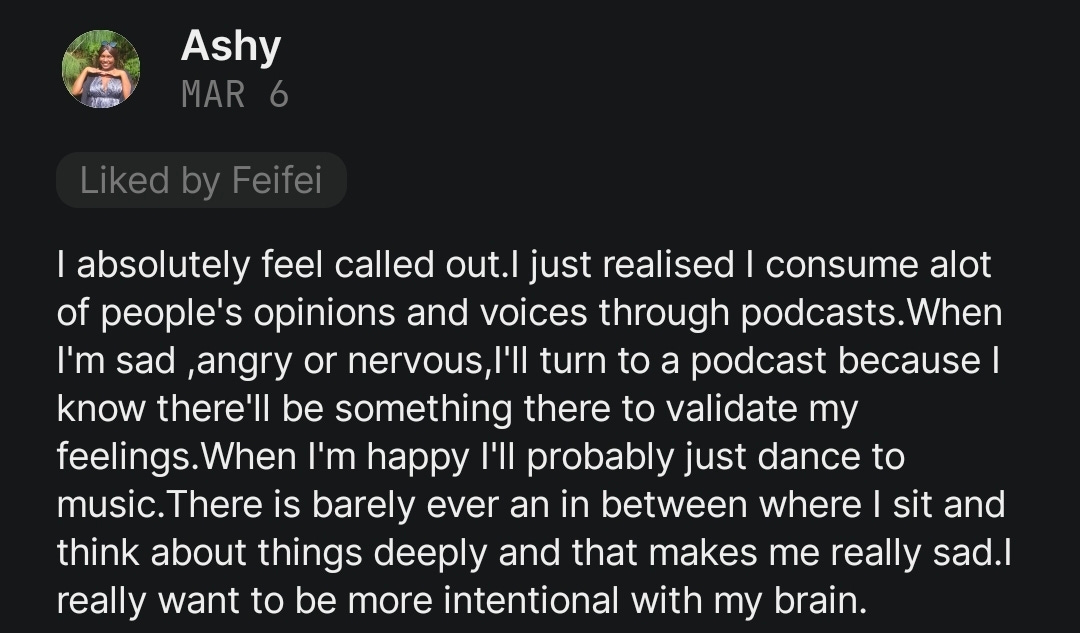
So, I want to give you answers. There's something I should have said in that last piece which is: I know what that emptiness feels like because I've felt it too. I've caught myself mid-conversation, confidently delivering someone else's argument, and felt that slight nausea when I realized I couldn't tell you the difference between my opinion and an article I read or a video I watched.
Most people who write about original thinking have spent significant time not having any. That's usually why they write about it.
So this isn't me standing outside the problem, pointing in. This is me having clawed my way to something that feels more like my own mind and telling you what that actually looked like.

The first thing you have to understand is that this is a skill, not a trait.
Original thinking is not something you either have or don't. It's not a personality type. It's not reserved for artists, philosophers and contrarians with interesting glasses.
It's a capacity and like most capacities, it atrophies when you don't use it and develops when you do.
You haven't lost your ability to think. You've just been outsourcing it for so long that the muscle has weakened. This is actually good news, because it means the solution isn't about becoming a different person. It's about practicing a different behavior.
The bad news is that practicing it feels terrible at first.
This is what most people imagine original thinking looks like: sitting alone in a room, having a sudden flash of insight, and producing a fully-formed, brilliant perspective that no one has ever had before.
That’s not what it is.
Original thinking is the process of taking things you've encountered — ideas, experiences, other people's arguments — and running them through your own life until they come out changed. It's like synthesis, not invention from nothing. Nobody thinks in a vacuum.
The difference between original thinkers and people who just regurgitate isn't that one group never consumes other people's ideas. It's that one group does something with them. They push back. They extend the argument somewhere the original author didn't go. They notice where the idea breaks down when applied to their own experience. They sit with it long enough that it gets fingerprints on it.
Your fingerprints specifically. That's what makes it yours.
The reason you don't have original thoughts is not that you're incapable of them. It's that your current environment produces zero friction between you and the content you consume. Everything is smooth. You scroll, absorb, agree, share, move on. There's no moment where you're required to do anything with what you took in.
Original thinking requires friction. Deliberately introducing it is the practice.
After you read something, watch something, listen to something — before you look at what anyone else thinks about it — write down what you actually thought. Not what you think you're supposed to think. Not the smart take. Write down what you actually noticed, what bothered you, what you believed before and whether it changed.
It doesn't have to be good. It doesn't have to be coherent. In fact, if it sounds polished and certain, you're probably still performing rather than thinking.
The goal is to catch your raw reaction before the internet gets to it.
This sounds simple but sometimes, it's hard. You'll sit there and find that you don't know what you think. That's not failure — that's exactly the right place to start. The discomfort of not knowing is where actual thought begins. Most people flee that discomfort immediately by reaching for their phone to find out what they're supposed to think. Don't. Sit there a little longer.

You're allowed to have an opinion you can't perfectly articulate yet.
Half-formed thoughts are not shameful thoughts. They're thoughts in progress. The problem isn't having incomplete ideas, it's pretending you don't have any and borrowing someone else's complete ones instead.
Start saying, out loud or in writing: “I'm not sure why, but I don't think I agree with that.” Then try to figure out why. The trying is the thinking. The answer at the end is almost secondary.
When you watch a video essay and find yourself nodding — stop. Ask yourself if you're nodding because this person is right, or because they're persuasive. Persuasive people are often right, but they're not always right, and you have to be able to tell the difference. The only way to tell the difference is to know what you thought before they started talking.
Original thinking requires you to put forward something that is traceable back to you. And that means if it's wrong, if it's unpopular, if it's half-baked — you own that. You can't shrug and say well, that's what everyone was saying.
That vulnerability is exactly what you've been avoiding. It's also exactly what makes actual connection possible.
People don't feel close to you when you're agreeable, well-informed and full of the right references. They feel close to you when you say something that is unmistakably, recognizably you. When you make a strange connection no one else would make. When you push back on something and mean it. When you say “I don't know” and actually sit with that instead of immediately outsourcing it.
The conversations that feel flat, the ones where you sensed people weren't that interested were probably flat because there was no resistance in you.
Read slower. Read less if you have to.
One book genuinely wrestled with is worth more than twenty books you consumed in order to say you'd read them. Annotation isn't just for students — it's the act of making a text argue with you. Write in the margins, "why do I disagree or agree with this?’or “this reminds me of X, and I'm not sure they're compatible.”
When you finish a book, before you go to Goodreads, before you look at reviews, write a paragraph. What did this change in how you see something? What did you think it was going to argue versus what it actually argued? What would you push back on? Would you even push back at all?
None of this produces results immediately. Developing your own perspective is a years-long project. You're essentially rebuilding a habit of mind that's been slowly eroded. There will be long stretches where you sit down to write what you think and come up completely empty, and it'll feel like proof that there's nothing there. But there's something there. It's just rusty.
The people you think of as original thinkers — the ones whose takes feel like they couldn't have come from anyone else, they didn't start that way. They started exactly where you are. They just kept practicing long enough that their way of seeing things became legible, to themselves first, and then to everyone else.
You're not trying to become someone else. You're trying to find out who you already are, underneath the content, the borrowed opinions and the curated exterior. That person exists. You just haven't been quiet long enough to hear them.
Start there. Be quiet. Notice what comes up before you let the internet answer for you. It'll feel like nothing at first.
Keep going anyway.
PS—And for the love of God, stop opening the comments section of every video before you come to an opinion yourself.
Slap after slap after slap. Good lord. Brilliant brilliant articles. I've recently begun arguing. While consuming anything off the internet, I try to find loopholes and to form an out of the world opinion about the topic. For me, forming an authentic opinion was equals to going against whatever people try to feed me and coming up with a new notion which reflects the glories of my still-learning brain. In my defense, it makes sense. Atleast to me. Taking this article for example. Following this brilliant advice would be conforming to the writer's views again, no? No. And thank God, I learnt it. That arguing w an opinion and losing against it to accept it is forming an original opinion too. Taking inspiration from others opinions and meditating about it long enough to know whether you have ACTUALLY taken a deep-dive into the topic, WHY you agree to it and HOW you will defend it, is fine and something you should be proud of in this generation.
I love this girl for real. Thank you, Feifei❣