
Having Children When You Can't Take Care Of Them Is Being Selfish.
On desire, consequences, and the people who pay for other people's decisions.

My parents are not rich, but they weren't always struggling either. There was a time when things were stable and comfortable to an extent. Then the economy took a deep dive and that stable, comfortable period became a memory.
When it was time for university, my parents tried their best for the first one and the half year, but then they just couldn't anymore. So, I got a remote job. I figured it out. I sent myself through school.
In the middle of all of this, my parents had another baby.
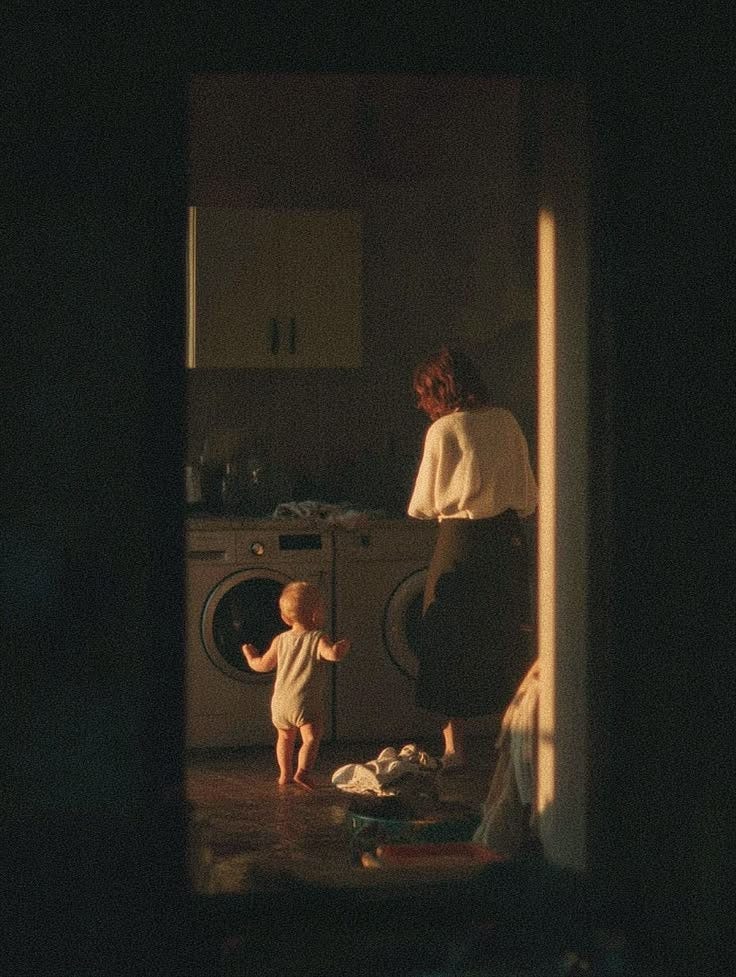
I love my sister, but I am also, at least majorly, her financial provider. Nobody asked me to, but that's what happens when a child is born into a home where the parents can barely get through and the older sibling is the only one with enough income to close the gap.
The decision to bring her into the world redistributed its consequences onto me. Onto her. Onto everyone orbiting that choice.
When most people talk about having children, they romanticize the decision so thoroughly that questioning it feels like a moral failing. You're supposed to want children. You're supposed to believe that love is enough, that where there's a will there's a way, that children are resilient and parents rise to the occasion. These are beautiful ideas, but are also sometimes just ideas.
Children feel financial stress. They can sense it. At least I did(do). I learnt to stop calling home whenever I needed something that was my parent's responsibility to provide. I learnt to sort out things myself.
Children like me, who grow up in scarcity learn very early that needing things is a problem. They become very good at not asking and we call this maturity. We call it resilience. We give it a name that makes it sound like something they chose. Well, they didn't.
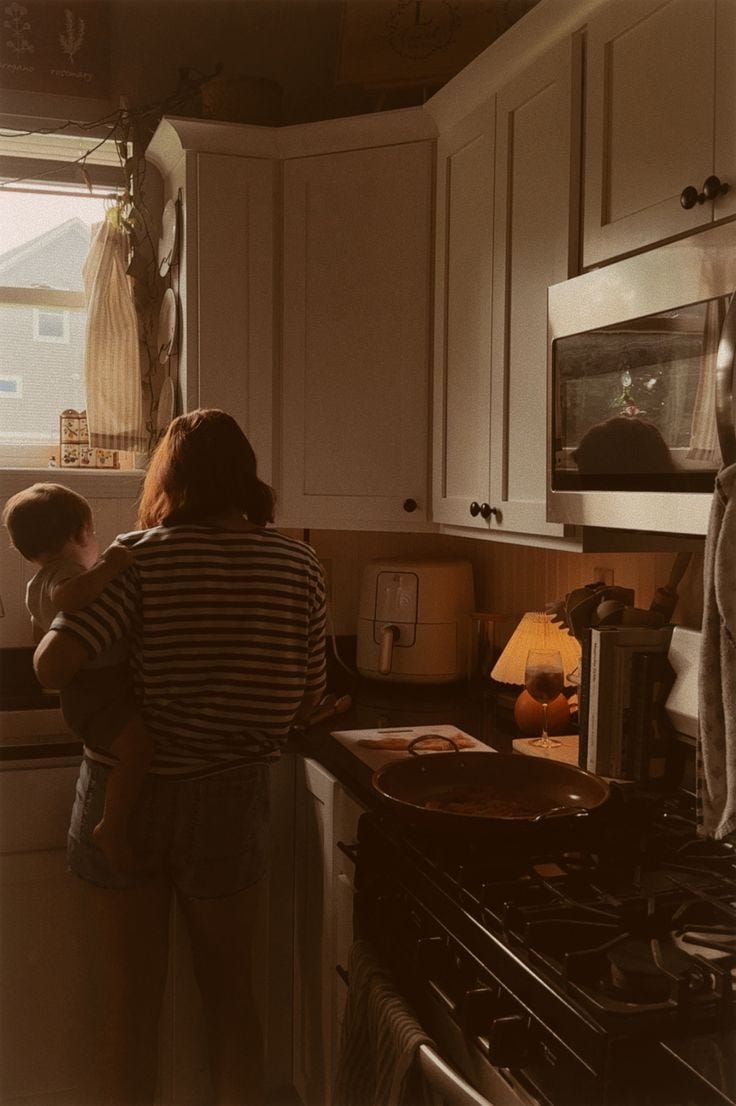
The parent who has another baby they cannot afford isn't twirling their moustache. They're not indifferent to the consequences. They want the baby. They love the idea of the baby. But that wanting, that love, becomes the justification for a decision whose costs will be paid almost entirely by someone else.
That is what selfish means. Not that you don't care. But that your desire took up more room than everyone else's reality.
The child did not consent to being born into scarcity. The older sibling did not consent to becoming a secondary provider. The family did not collectively vote on whether this was a good time. One or two people made a decision and because it happened inside the warm institution of family, because babies are supposed to be blessings and love is supposed to conquer logistics, nobody says anything. You just adapt and figure it out. And years later, someone calls you resilient.
When these kids grow up, they say, "we may not have had much but we had love." "My parents did their best." "I didn't have everything but I never doubted that I was wanted."
Maybe that's true. But love does not pay school fees. Love does not stop an older sibling from quietly restructuring their entire financial life around a gap they didn't create.
What love does, in these situations, is make it harder to say what's actually happening. Because how do you tell someone that their good intentions produced bad consequences? How do you say, out loud, in a culture that treats children as proof of hope and faith and optimism, that having that child was a mistake? You don't.
Another annoying thing is the statement, “God will provide,” (religious people are never beating the allegations). Sometimes, “God does provide,” but is it really God? No. It's the older child who got a job early. The relative who stepped in. The corners that got cut.
I love my sister, but I also believe that the decision to have her, at that time, in those circumstances, was the wrong one.
What a beautiful read! I am the eldest of four, and I often wondered why my parents decided to have three more children when they knew equal provision would be an unachievable target with the income they were making.
Now I am a mother of two, and I have no intention of having another child, despite the pressure from society. (Yeah, I am Indian, and my bodily choices stand no chance against societal pressure.)
I have my reasons, and most of them orbit around the concern of providing equal financial stability for my children.
I really appreciate this. When I found out my mom was pregnant with my little brother, I didn’t speak to her for months because I was so angry at the selfish decision that had been made. There were no real plans for my future, yet they were taking on another responsibility after already proving they weren’t equipped to manage a large family.
I love my siblings with all my heart, but I still carry some bitterness toward decisions made from a place of “God will provide” rather than from a strategic, realistic plan for what comes with raising children.
I also think it now plays a role in why I never feel “ready” for children myself, not just financially, but emotionally. I saw firsthand what happens when people have children without stability, preparation, or the emotional capacity required, and I think a part of me is terrified of repeating that cycle.